The Rise of Extreme Cold-Resistant Potatoes
In the realm of agricultural innovation, a groundbreaking discovery has sent shockwaves through the scientific community. An exciting new breakthrough in potatoes resistant to extremely cold conditions is set to revolutionize agricultural production as we know it, and Medius is proud to be a part of this incredible quantum leap in technology. For the past five years, a top-secret public-private collaboration in Antarctica has laid the groundwork for the development of potatoes with near total resistance to sub-zero temperatures. The research outcomes are expected to make previously uninhabitable environments possible for human settlers.
“We selected potato lines that survived the inhospitable conditions of some U.S. growing regions, notably North Dakota and Wisconsin,” said principal investigator Jackson Frost. “We then crossed those lines with a newly discovered plant species that is genetically compatible with the Solanaceae family. That match is nothing less than miraculous.” The Solanaceae family includes potatoes, tomatoes, and other nightshades.
The implications of this breakthrough extend far beyond the frosty landscapes of Antarctica. Leading botanists and pioneers in the emerging private space exploration industry have also expressed high hopes for the future development of extreme cold-resistant potatoes infused with the ability to sidestep traditional photosynthesis pathways. This step would be made possible through transgenic engineering, which would borrow genetic material from anaerobic bacteria, creating a new super spud.
The Journey to Arctic Agritech Excellence

The journey to developing extreme cold-resistant potatoes has been nothing short of extraordinary. It began with the recognition of the vital role that potatoes play in global food security. As one of the world's staple crops, potatoes are a dietary cornerstone for billions of people. However, traditional potato varieties are highly susceptible to cold temperatures, limiting agricultural production in regions with harsh climates.
The Antarctica project marked a pivotal moment in agricultural research. By leveraging the unique environmental conditions of Antarctica, scientists were able to simulate and study extreme cold scenarios that mirrored the challenges faced in frigid agricultural regions. The selection of resilient potato lines from North Dakota and Wisconsin provided a promising starting point, showcasing nature's adaptability in harsh environments.
"The team is particularly excited for the potential of the 'Snowball' variety which has exhibited a consistently predictable round shape that is ideal for making potato chips," noted Ryan Krabill, Medius Director of Business Development. "They also are optimistic about 'Yeti,' a russet that possesses good solids and versatility."
Transcending Boundaries
The excitement surrounding extreme cold-resistant potatoes doesn’t stop at temperature resilience. Researchers are now venturing into the realm of transgenic engineering to unlock even greater potentials. The idea of bypassing traditional photosynthesis pathways opens doors to enhanced energy efficiency, faster growth rates, and increased yields – all critical factors for sustainable agriculture in challenging environments.
The integration of genetic material from anaerobic bacteria represents a bold leap forward. Anaerobic bacteria thrive in oxygen-deprived environments, making their genetic adaptations highly valuable for plants growing in low-oxygen or extreme cold conditions. By harnessing these genetic traits, scientists aim to create a new generation of potatoes capable of thriving in environments previously deemed inhospitable.
The Martian Frontier: Testing the Super Spud
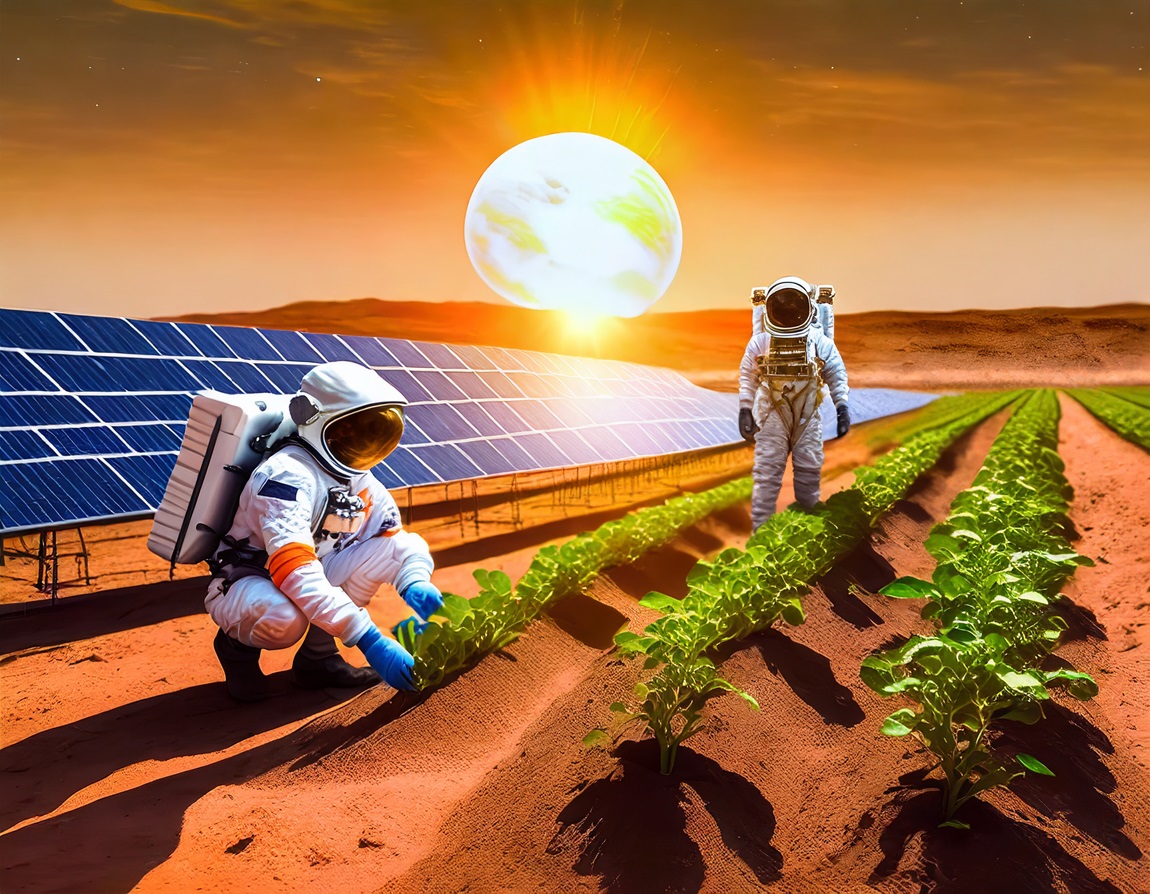
With plans underway to test extreme cold-resistant potatoes on Mars, the project enters a new phase of interplanetary exploration. Mars, with its freezing temperatures and hostile atmosphere, presents the ultimate challenge for agricultural pioneers. Yet, it also holds the promise of becoming humanity’s next frontier.
The Martian tests will not only assess the potatoes’ ability to withstand cold temperatures but also their adaptability to low-gravity environments, radiation exposure, and limited resources. These trials mark a significant step towards achieving sustainable food production for future Mars missions and potential human settlements.
Medius: Empowering Agricultural Innovation
At the heart of this groundbreaking endeavor is Medius, a pioneer in providing cutting-edge software solutions for agricultural research. Medius’ role in facilitating data analysis, modeling complex genetic interactions, and optimizing research workflows has been instrumental in accelerating the development of extreme cold-resistant potatoes.
“We are committed to pushing the boundaries of agricultural innovation,” said Brad Halladay, reflecting on Medius’ contributions. “Our partnership with the Antarctica project and our ongoing collaboration with space exploration initiatives highlight the transformative impact of technology on agriculture.”
As the journey towards Arctic agritech excellence continues, the world eagerly awaits the next chapter in the saga of extreme cold-resistant potatoes. With each scientific breakthrough and technological advancement, humanity inches closer to unlocking the full potential of sustainable agriculture – not just on Earth, but across the cosmos.
To learn more and to receive breaking news updates on this research, please visit https://medius.re/news/april-fools-day.